An internship in the medical field can be your stepping stone to a successful career. You’ll gain hands-on experience, tackling real-world tasks that mirror the responsibilities of full-time professionals. This not only boosts your confidence but also deepens your practical skills. By actively participating in patient care and receiving mentorship, you learn directly from experienced professionals, increasing your industry knowledge and connections. These relationships often lead to strong references that bolster your resume, making you a competitive candidate. Additionally, understanding industry standards and enhancing your resume through tailored experiences show potential employers you’re well-prepared for healthcare challenges. You’ll find there’s more to explore on how these elements convert to job offers.
Key Takeaways
- Internships provide practical skills that enhance employability and readiness for medical roles.
- Building professional networks during internships can lead to job referrals and opportunities.
- Demonstrating compliance with industry standards during an internship builds trust and professional credibility.
- Gaining relevant certifications and experiences during internships boosts resume appeal to potential employers.
- Strong references from internship supervisors and mentors serve as endorsements for future job applications.
Gaining Practical Skills
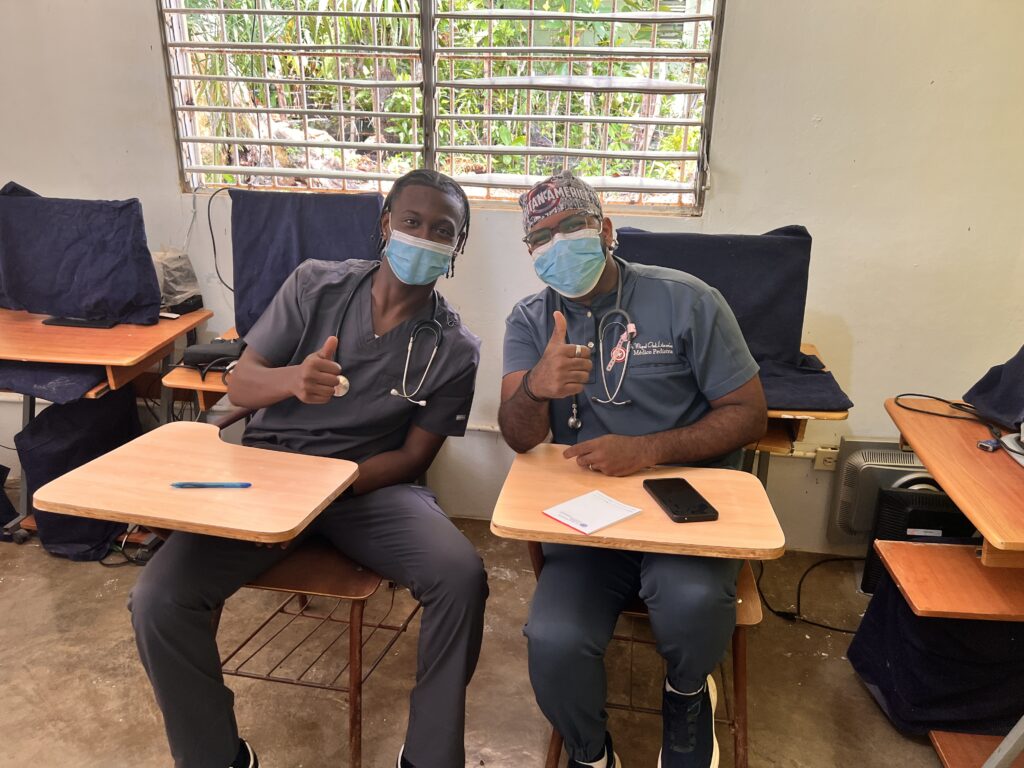
Gaining practical skills during your internship sets the foundation for your future in the medical field. As you step into this critical phase, you’ll handle real-world tasks that mirror the responsibilities of a full-time medical professional. You’re not just observing; you’re actively participating in patient care, acquiring hands-on skills that you can’t learn from textbooks alone.
Each day, you’re tasked with new challenges—from administering injections to managing patient records. These experiences build your technical competence and boost your confidence. You learn to navigate the fast-paced environment of healthcare, adapting to the unexpected and making critical decisions swiftly. This isn’t just about performing tasks; it’s about understanding the rationale behind each procedure and the impact on patient care.
Your mentors provide guidance, but they also expect you to take initiative. They watch how you apply your knowledge, offering feedback that’s both encouraging and constructive. This one-on-one mentorship is invaluable, as it shapes your approach to healthcare and patient interaction.
Building Professional Networks
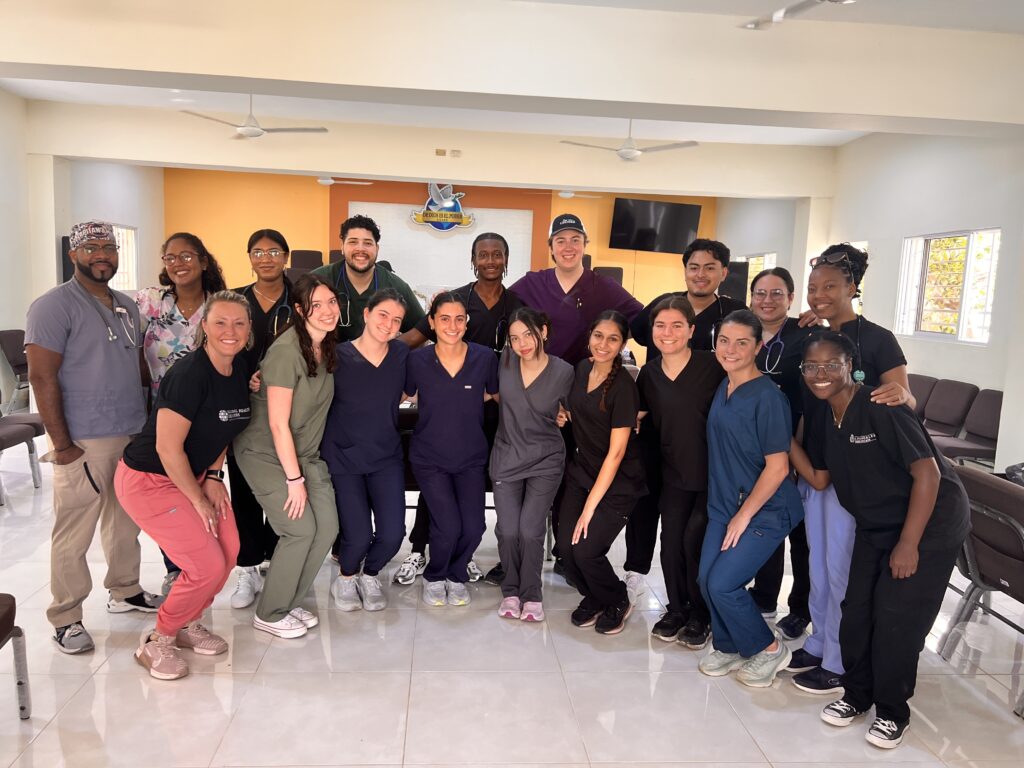
As you step into the bustling world of medical professionals, remember that building robust networks can shape your career path greatly. Cultivating relationships with mentors, who’ve walked the journey you’re starting on, can provide invaluable insights and support.
Additionally, attending industry conferences not only expands your knowledge but also connects you with like-minded peers and potential employers.
Cultivating Mentor Relationships
While navigating through your internship, it’s crucial to cultivate mentor relationships that can guide you toward future job opportunities in the medical field. These connections offer you tailored guidance, insights into your chosen specialty, and the nuanced realities of daily medical practice that you can’t find in textbooks.
Attending Industry Conferences
Attending industry conferences exposes you to a broader professional network and showcases emerging trends and technologies in the medical field. As you wander through the bustling conference halls, you’ll find yourself amidst innovators and seasoned professionals who share your passion. It’s more than just collecting business cards; it’s about forging relationships that could guide and shape your career path.
You’ll hear firsthand accounts of life-changing research and perhaps, present your own findings. Each handshake and conversation offers a unique insight or opportunity. Picture yourself discussing recent breakthroughs with a potential mentor or employer—these interactions can propel your career forward in ways you hadn’t imagined. Embrace these moments; they’re stepping stones to your future in medicine.
Understanding Industry Standards
As you step into the medical field, understanding and adhering to industry standards isn’t just about following rules; it’s about ensuring safety and quality in every action you take.
By embracing best practices, you’re not only complying with regulations but also contributing to a culture of excellence and care.
It’s vital to recognize that these standards are in place to protect both you and the patients you’ll serve.
Compliance With Regulations
Understanding and adhering to industry standards is crucial for anyone starting in the medical field, guaranteeing both safety and compliance with regulations. As you commence your internship, here are key aspects to focus on:
– Patient Privacy Laws: You’ll need to comprehend how to handle sensitive information discreetly.
– Safety Protocols: Familiarize yourself with the proper procedures to prevent contamination and ensure patient and personal safety.
– Regulatory Compliance: Stay informed about the latest healthcare regulations that influence clinical practice.
Grasping these elements not only protects the patients but also builds a foundation of trust and professionalism in your emerging career. Each step you take in compliance shapes a path toward becoming a responsible and competent medical professional.
Best Practices Adoption
Building on your knowledge of compliance, embracing best practices in the medical field guarantees you deliver high-quality care consistently.
As you progress from an intern to a potential staff member, understanding and implementing these standards not only boosts your credibility but also deepens the trust your patients place in you.
Remember, every procedure you learn, every protocol you follow, is a step towards excellence. It’s about more than just following rules; it’s about weaving compassion and precision into the fabric of your daily practice.
Embrace every opportunity to learn from seasoned professionals and don’t shy away from asking questions. This approach not only enhances your skills but also sets a solid foundation for your future career in medicine.
Enhancing Resume Appeal
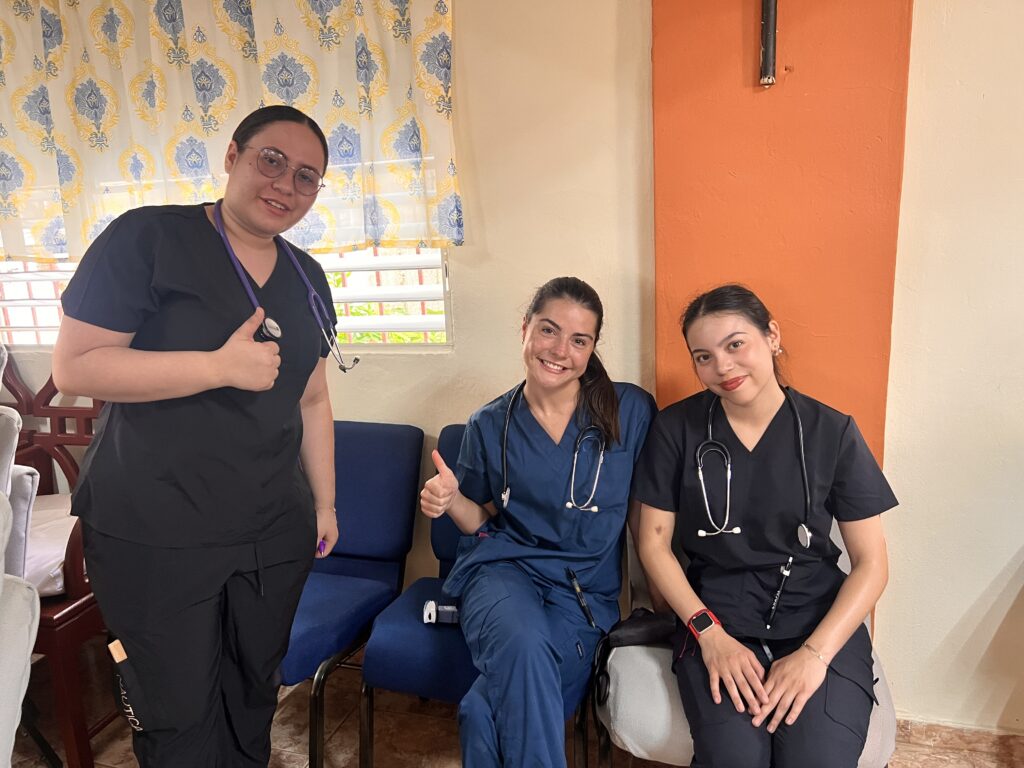
To enhance your chances of transitioning from an internship to a full-time position, you’ll need to elevate your resume’s appeal by showcasing your most relevant medical experiences and skills. In the competitive landscape of the medical field, your resume not only reflects your qualifications but also tells your professional journey in a way that resonates with potential employers.
Here are a few key aspects to contemplate when improving your resume:
– Tailored Experience Descriptions: Focus on detailing the specific medical tasks you’ve managed and technologies you’ve used, emphasizing how these directly apply to the job you’re targeting.
– Quantifiable Achievements: Include measurable outcomes from your internship, such as improvements in patient care or efficiency enhancements you contributed to. Numbers catch eyes and help frame your impact.
– Relevant Skills and Certifications: List any specialized skills and certifications gained during your internship that are pertinent to the field you wish to enter. These add significant value to your profile.
Securing Strong References
After polishing your resume, it’s equally important to gather strong references who can vouch for your skills and character in the medical field. Remember, these individuals should be more than just names on a page; they’re your advocates in a highly competitive arena.
Choose mentors and supervisors from your internship who’ve seen you in action, tackling challenges and displaying the commitment necessary for healthcare. Approach them with respect and humility; explain how meaningful their endorsement is to your career path. It’s not just about confirming dates and duties; you’re asking them to share insights about your work ethic, problem-solving abilities, and compassion—qualities that are essential in medical professions.
Be proactive in maintaining these relationships even after your internship concludes. A simple ‘thank you’ note or periodic updates about your career progress can keep you fresh in their minds. This ongoing communication is key, as strong, lasting connections often lead to more personalized and enthusiastic references.
These references can become pivotal in your journey towards a career in medicine, offering not just a verification of your past experiences but also a genuine confirmation of your readiness to face the challenges of the healthcare environment. So, choose wisely and nurture these connections. They’re your bridge to future opportunities.
Navigating Job Markets
Exploring the job market in the medical field requires a strategic approach to identify and seize the best opportunities that align with your skills and career goals. The landscape is vast, with a diverse range of roles, from research and clinical positions to administrative and technical support. Understanding where you fit best isn’t just about where you can apply your skills, but also where you can grow and thrive.
To keep you engaged and informed, here are a few key strategies:
– Continuous Learning:Stay updated with the latest medical technologies and practices. This not only enhances your resume but shows potential employers your commitment to the field.
– Networking: Engage with professionals and alumni from your internship. Often, jobs aren’t advertised and are filled through connections.
– Tailored Applications: Customize your resume and cover letter for each application. Highlight experiences from your internship that are directly relevant to the job.
Frequently Asked Questions
How Do Internships Impact Work-Life Balance for Medical Students?
Internships can strain your work-life balance as a medical student, but they’re essential for gaining real-world experience. You’ll face long hours and demanding duties, which might eat into your personal time.
However, managing this early in your career teaches you important time management skills, making you more adept at handling the pressures of a medical profession later on. It’s tough, but it’s a critical step in shaping your future career.
What Are Common Challenges Faced During Medical Internships?
During your medical internship, you’ll likely face intense work hours and emotional stress. Managing time effectively while delivering compassionate care can be tough.
You may also encounter challenging dynamics with peers and supervisors, along with the pressure of making critical decisions under supervision.
It’s essential to seek support and actively engage in learning opportunities to navigate these challenges successfully, enhancing both your personal growth and professional skills.
How Do Internship Experiences Differ Across Medical Specialties?
Internship experiences vary greatly across medical specialties. In surgery, you might spend 50% of your time observing operations, while in psychiatry, you’re more likely to engage directly with patients in therapeutic settings.
Each specialty shapes its internships to focus on the skills most essential for that field. This tailored approach guarantees you’re well-prepared for the specific challenges and responsibilities you’ll face in your chosen area of medicine.
What Role Do Mentors Play During Medical Internships?
During your medical internship, mentors play a vital role. They guide you through complex procedures, offer valuable insights from their experiences, and provide feedback to hone your skills.
They’re not just teachers; they’re your advocates in the medical community, helping you network and opening doors for future opportunities. Their support can be instrumental in shaping your career path, ensuring you’re not only competent but also well-connected and confident in your professional journey.
Can International Students Secure Internships in the U.S. Medical Field?
Yes, you can secure internships in the U.S. medical field as an international student, but you’ll need to navigate some challenges.
You must verify that your visa status permits employment and may need to seek sponsorship or specific programs designed for international participants.
It’s crucial to thoroughly research and prepare to meet these additional requirements, which can vary widely depending on the institution and the type of internship you’re interested in.
Conclusion
As you step out from the shadow of your internship, you’re not just carrying a resume; you’re wielding a beacon that illuminates your path ahead. Each skill honed, every connection made, and all the standards mastered weave into a safety net beneath your career trapeze.
With strong references as your wind, navigate the job market’s currents confidently. Remember, this internship isn’t just a line on your CV—it’s the first chapter of your success story in the medical field.